
Des Moines Web Geeks is a community-driven organization committed to fostering a welcoming and inclusive environment for web enthusiasts of all levels and backgrounds. Our goal is to provide a platform for individuals from diverse disciplines, including web engineering, design, marketing, and business leadership, to connect, learn, and collaborate.
We strive to create meaningful opportunities for personal and professional growth through our range of events, including instructional training, hands-on coding dojos, round table discussions, and social gatherings. By bringing together a diverse group of individuals, we aim to encourage the exchange of ideas, promote innovation, and support the growth of the web industry in Des Moines and beyond.
At Des Moines Web Geeks, we are committed to promoting equity, diversity, and inclusion, and providing a safe and supportive space for all members of the LGBTQ community. Our mission is to empower individuals to advance their skills and build strong professional networks while fostering a sense of community and belonging. We welcome all who share our passion for the web and look forward to connecting with you at one of our upcoming events.
These formats work best:
- 20 min instructional material – i.e. here’s a project I did and here’s what I learned from it
- Hands-on dojo – Here’s a tool you should consider using, let’s use it on this simple “getting started” project
- Round table – There are a couple different ways to approach this problem, what aspects should we consider as we decide how to solve it?
Once you’ve decided, contact our leadership team and we’ll get you scheduled.

Jessica Le
Jessica writes code and needs to write a bio.
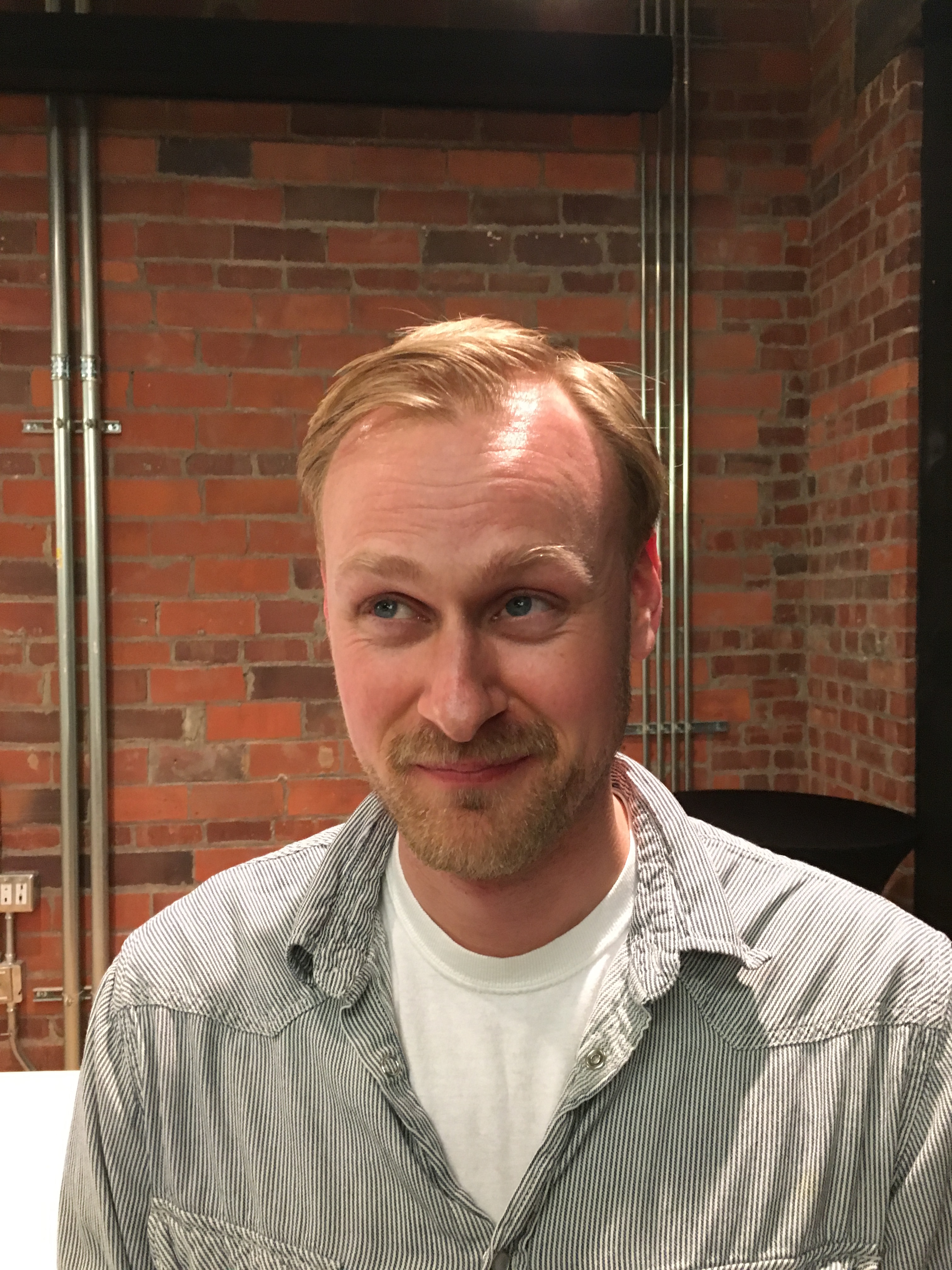
Justin Stevens
Justin designs and builds amazing web solutions for Shift Interactive.
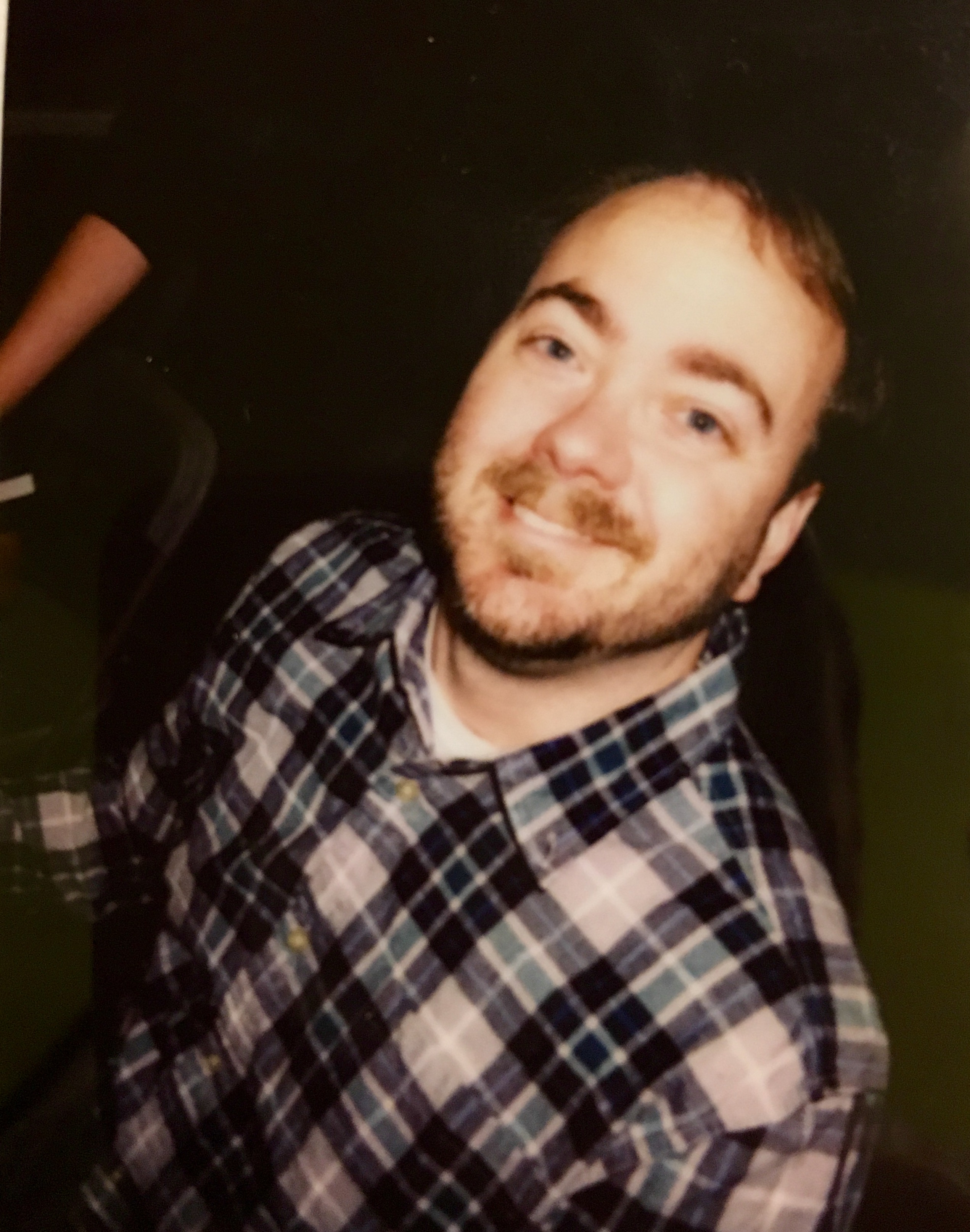
Matthew Nuzum
Matt works with John Deere to help make technology easier to use. He loves to speak, teach and write.
Josh Larson
Josh Larson works as a front-end engineer at Vox Media. He enjoys experimenting with software and web development, especially when he can combine it with TV, comedy or podcasting.